Bee & Wasp Control in Thomaston, CT: Safe Removal & Prevention for Your Home
Seeing bees, wasps, or hornets buzzing too close to home in Thomaston, CT? Don't risk painful stings or structural damage! Our comprehensive guide covers everything Thomaston homeowners need to know about bee and wasp control. Learn to identify honey bees, carpenter bees, and wasps, understand their nesting habits, and discover the risks they pose to your property. Defense Pest And Wildlife Control offers safe, humane, and effective solutions, from thorough inspections and expert nest removal to preventative sealing. Protect your family and home with our long-term prevention strategies, ensuring a peaceful, pest-free environment in Thomaston, Connecticut.
Bee Control in Thomaston, Connecticut: Protecting Your Home from Buzzing Intruders
Thomaston, Connecticut, with its charming homes and beautiful natural surroundings, is a wonderful place to live. But like many areas rich in nature, it also sees its fair share of buzzing visitors – bees and wasps. While many of these insects play vital roles in our ecosystem, especially bees, some can become a real nuisance or even a danger when they decide to build nests too close to your home.
When you're dealing with unwanted stinging insects, knowing who to call for safe and effective bee control in Thomaston, CT is crucial. At Defense Pest And Wildlife Control, we're dedicated to helping Thomaston homeowners enjoy their properties without the worry of stings or structural damage.
Understanding Your Buzzing Neighbors: Bees, Wasps, and Carpenter Bees
Before you can tackle a pest problem, it helps to know who you're dealing with. Not all flying insects are the same, and different types require different approaches.
Honey Bees: The Essential Pollinators
- What they look like: Fuzzy, golden-brown bodies with black stripes. They are social insects living in large colonies.
- Where they live: Often found in hollow trees, old wall voids, chimneys, or even discarded items.
- Why they're important: Honey bees are incredible pollinators, vital for our food supply and local flora. They are generally not aggressive unless their hive is threatened.
- The Concern: If a honey bee colony takes up residence inside your home's walls or attic, it can lead to structural damage from honey and wax, attract other pests, and pose a sting risk. We always prioritize humane relocation for honey bees whenever possible.
Carpenter Bees: The Wood-Damaging Driller
- What they look like: Large, resemble bumblebees, but with a shiny, hairless black abdomen (bumblebees are fuzzy all over).
- Where they live: They don't live in colonies but instead drill perfectly round holes (about the size of a dime) into unpainted, untreated wood surfaces like decks, eaves, fascia boards, and outdoor furniture.
- Seasonal Behavior: You'll often see them in spring, hovering around your home's wooden structures. They return to the same areas year after year.
- The Concern: While a single bee might not seem like much, carpenter bees can cause significant damage over time. Their tunnels can weaken wood, and moisture can seep into these holes, leading to rot. They also attract woodpeckers, who can create even larger holes trying to get to the bee larvae.
Wasps (Yellow Jackets, Paper Wasps, Hornets): The Aggressive Stingers
- What they look like: Generally sleeker than bees, with a distinct narrow waist. Colors vary from bright yellow and black (Yellow Jackets) to darker red-brown (Paper Wasps) or black and white (Bald-faced Hornets).
- Where they live:
- Yellow Jackets: Build papery nests underground, in wall voids, or dense bushes. They are very aggressive, especially when their nest is disturbed.
- Paper Wasps: Create umbrella-shaped nests under eaves, porch ceilings, or in attics. They are less aggressive than yellow jackets but will sting if provoked.
- Hornets: Build large, enclosed, football-shaped nests often high in trees, but sometimes in attics or wall voids. Bald-faced hornets are particularly aggressive.
- Seasonal Behavior: Wasp colonies grow throughout the summer and reach their peak size and aggression in late summer and early fall.
- The Concern: Wasps are known for their painful stings and can sting multiple times. For individuals with allergies, wasp stings can be life-threatening. An estimated 2 million Americans are allergic to insect stings, and hundreds of thousands seek emergency treatment for stings each year. Even without allergies, a nest near your home can make outdoor activities unbearable.
Why Professional Bee & Wasp Control Matters in Thomaston
Dealing with stinging insects isn't just about getting rid of pests; it's about ensuring safety and preventing future problems.
- Health Risks: Stings are painful, but for those with allergies, they can be incredibly dangerous. A professional knows how to safely remove nests without putting your family or pets at risk.
- Structural Damage: As mentioned, carpenter bees can weaken wood, and wasp nests built inside walls can cause stains or odors. Removing them correctly helps prevent further issues.
- Identifying the Right Pest: Knowing the difference between a honey bee and a yellow jacket is key to effective treatment. Our experts can accurately identify the pest and determine the best course of action.
Our Expert Bee & Wasp Control Process in Thomaston
At Defense Pest And Wildlife Control, we offer comprehensive bee control and wasp removal services designed for the unique needs of Thomaston homes.
- Thorough Inspection: Our process begins with a detailed inspection of your property. We'll identify the type of insect, locate nests, pinpoint entry points, and assess any potential damage. This crucial step allows us to develop a targeted and effective treatment plan.
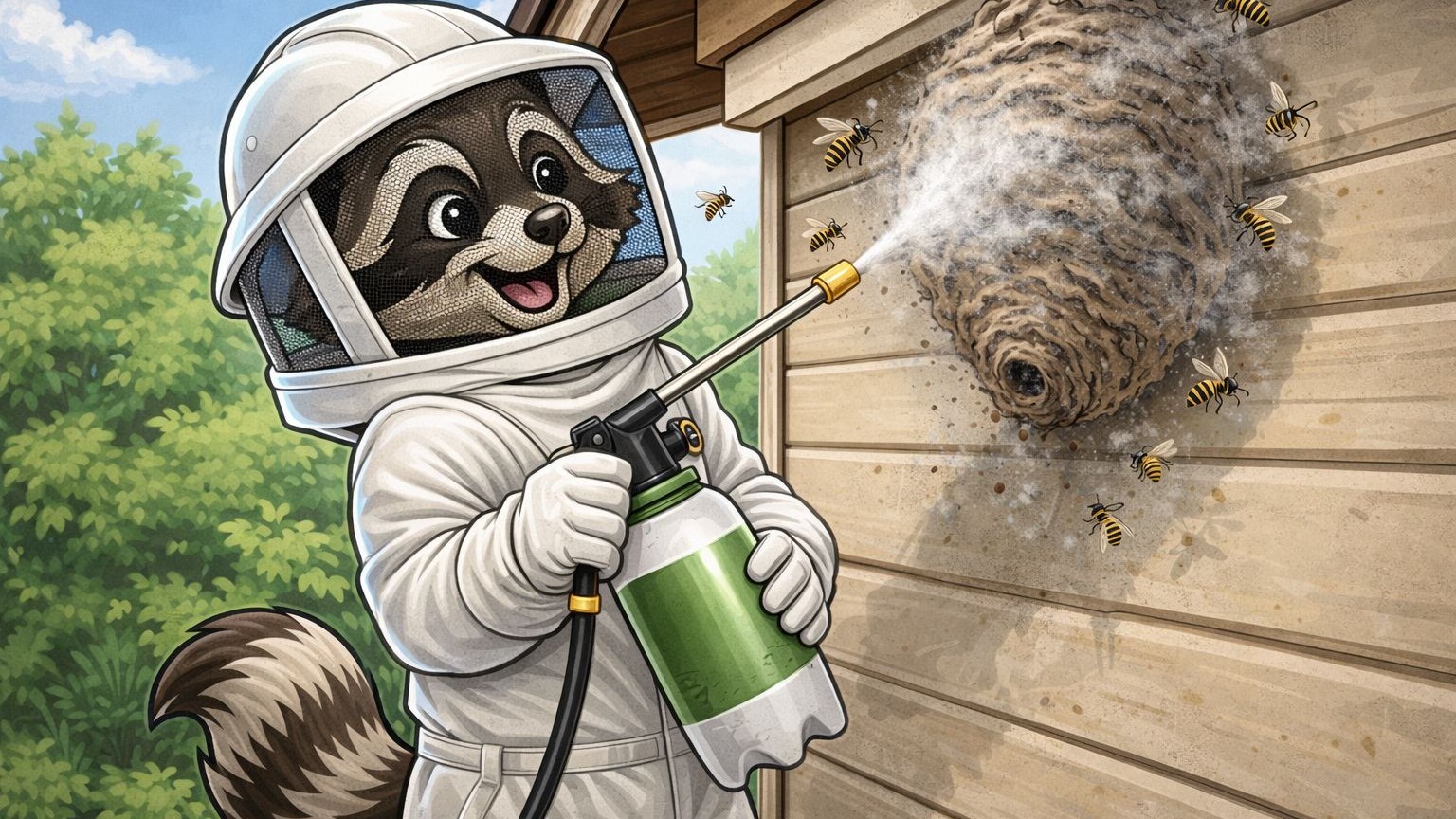
- Safe & Targeted Treatment: Once we understand the situation, we deploy the safest and most effective treatment methods. For honey bees, we always explore humane relocation options first. For carpenter bees, we treat the drilled holes and surrounding wood. For aggressive wasps, we use professional techniques to safely eliminate the nest, protecting your family and pets. Our methods prioritize your safety and minimize environmental impact.
- Nest Removal & Cleanup (When Necessary): Once the insects are gone, safely removing nests is important. This prevents odors, secondary pest infestations, and ensures your home is clean and clear.
- Long-Term Prevention & Sealing: This is where Defense Pest And Wildlife Control truly shines. We don't just get rid of the problem; we help prevent it from coming back. We specialize in sealing up potential entry points using durable materials and proven construction methods. This includes closing off gaps in siding, repairing damaged wood, and even implementing custom metal exclusion systems where needed. Our goal is to provide a long-lasting solution, not just a temporary fix.
Your Local Bee & Wasp Control Experts in Thomaston, CT
When you have a pest problem, you need a team you can trust – local experts who understand the specific challenges faced by homeowners in our region. Defense Pest And Wildlife Control is proud to serve Thomaston, CT, and surrounding communities throughout Litchfield County, including Torrington, Watertown, Plymouth, Litchfield, Woodbury, New Hartford, and many more.
Our "Bee Control" service is just one example of our commitment to defending your home. We handle everything from ants to raccoons, with a strong focus on honesty, craftsmanship, and long-term results. We believe in solving problems permanently, so you can enjoy peace of mind in your home.
If you're dealing with buzzing invaders or want to prevent them from taking over your Thomaston property, don't hesitate to reach out.
Ready to reclaim your home from unwanted pests? Contact Defense Pest And Wildlife Control today!
Call us at +1 (860) 709-1898 or visit our website to schedule an inspection. Let us defend your home, because if wildlife attacks, we've got your back.
Get a Free Pest & Wildlife Control Quote in New Hartford, CT
Concerned about pests or wildlife at your Connecticut home? Defense Pest And Wildlife Control LLC is here to help! Simply fill out our quick form to receive a free, no-obligation quote tailored to your specific needs. We'll call you back to discuss effective solutions for your New Hartford property and help you reclaim your peace of mind.
More Blogs
Some other blogs you might be interested in