Sharon, CT Bee & Wasp Control: Safe Removal & Lasting Home Protection
Facing a bee or wasp problem at your Sharon, CT home? Defense Pest And Wildlife Control offers professional and safe bee control services. We specialize in identifying and removing all types of stinging insects, including honey bees, carpenter bees, and wasps, that might be nesting in or around your property. Our approach focuses on safe removal, protecting your family, and providing long-term prevention. Discover how our experienced team helps Sharon residents enjoy a pest-free home with lasting peace of mind.
Bee Control in Sharon, Connecticut: Protecting Your Home from Unwanted Guests
There’s nothing quite like enjoying a beautiful day in Sharon, Connecticut – unless that enjoyment is interrupted by the unwelcome buzz of stinging insects around your home. Bees and wasps play vital roles in our ecosystem, but when they decide to build their nests too close for comfort, they can become a serious problem. For homeowners in Sharon, understanding these buzzing visitors and knowing when to call in the experts for safe and effective bee control is key to a peaceful home environment.
At Defense Pest And Wildlife Control, we’re dedicated to helping our neighbors in Sharon, CT, and throughout Litchfield County manage these situations with care and expertise.
Understanding the Buzz: Common Stinging Insects in Sharon
Not all buzzing insects are the same, and knowing the difference is the first step in effective management. Here’s a quick guide to who you might encounter around your Sharon property:
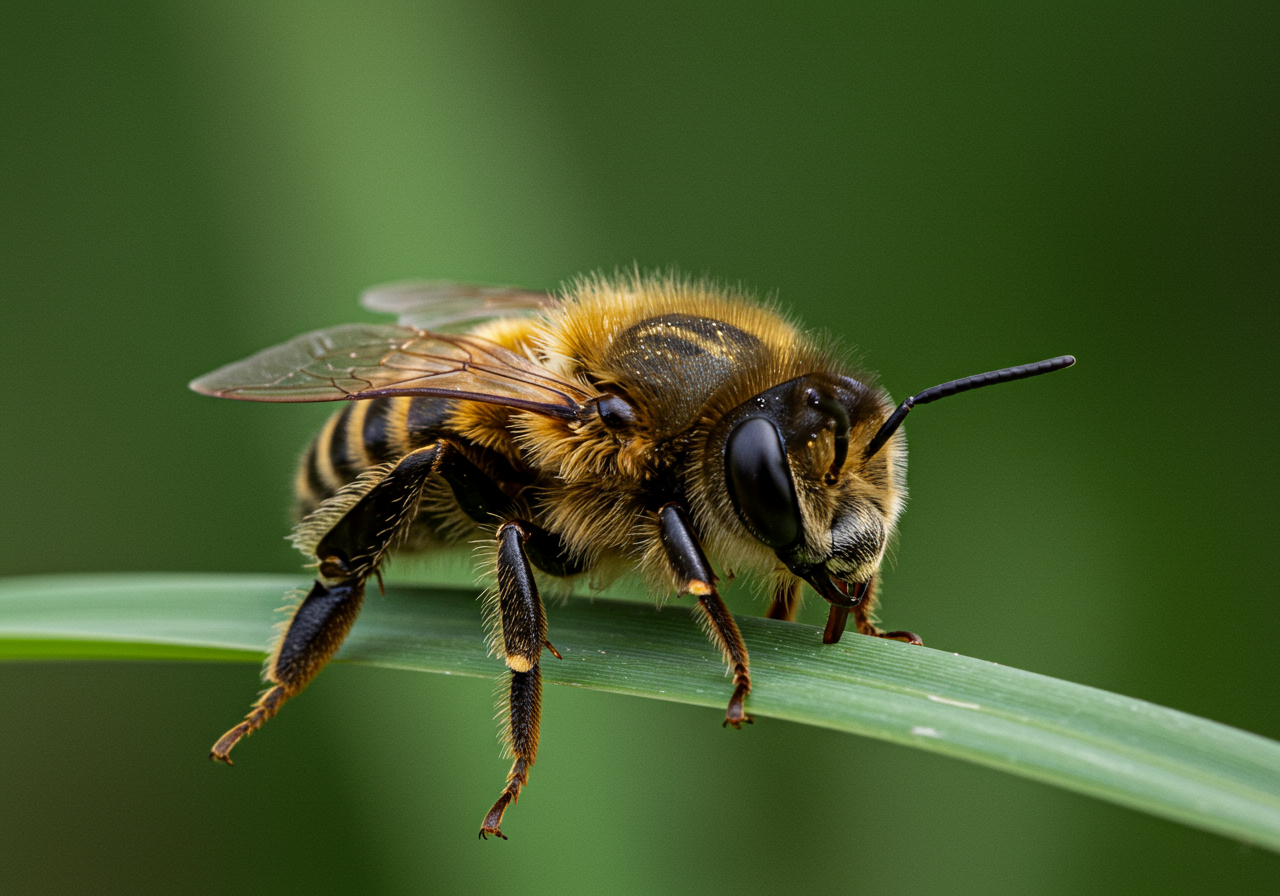
Honey Bees: Our Pollinating Friends
- Appearance: Fuzzy, brownish-yellow, and typically smaller than bumblebees.
- Behavior: Generally gentle, honey bees are crucial for pollinating plants, including many of Connecticut's crops. They sting only when their hive is threatened, and a single bee can only sting once.
- Nesting: Often found in hollow trees, wall voids, or other sheltered spaces.
- Key Point: When dealing with honey bees, relocation is often the preferred and most responsible approach due to their ecological importance.
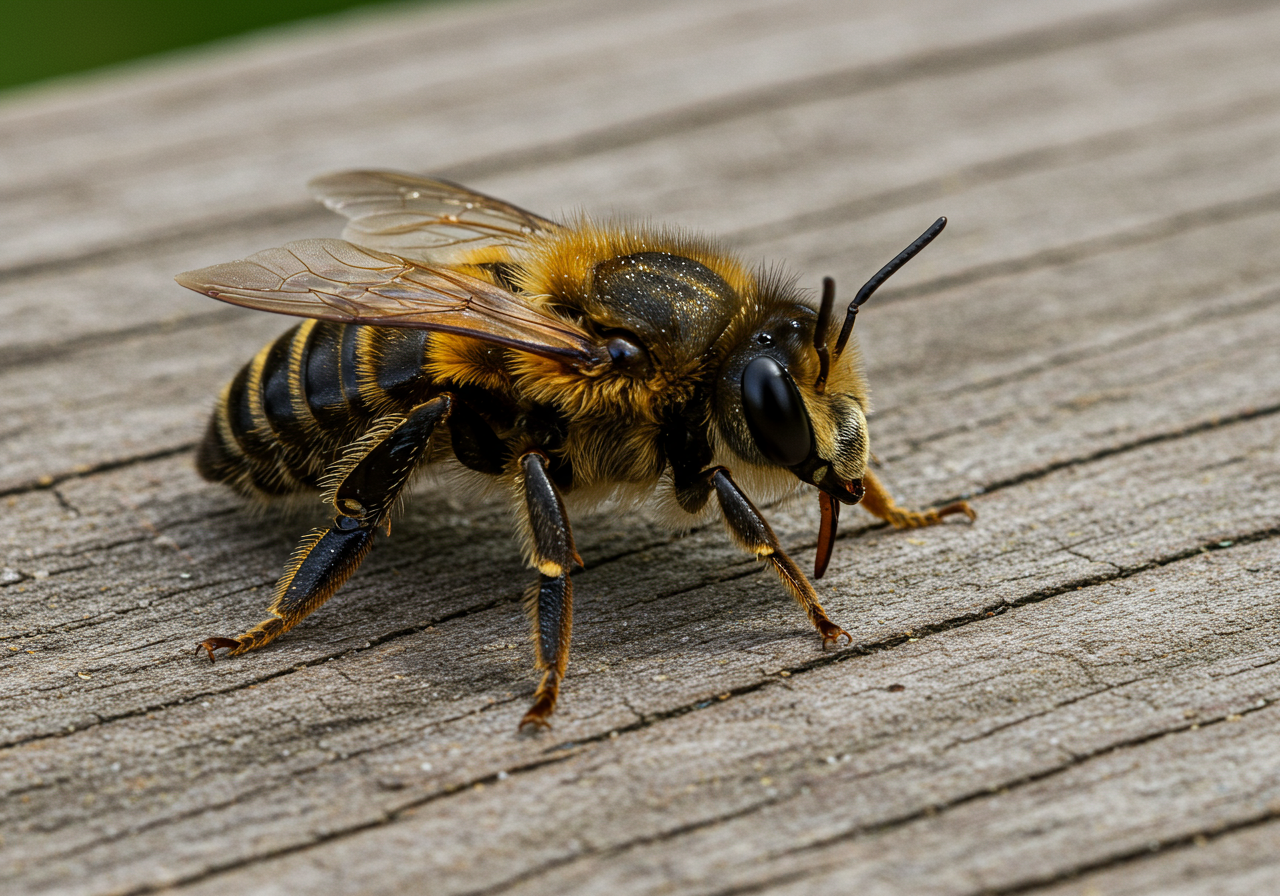
Carpenter Bees: The Wood-Boring Nuisance
- Appearance: Large, shiny black abdomen (unlike fuzzy bumblebees), with yellow markings.
- Behavior: Often seen hovering around wooden structures. They are solitary bees, meaning they don't live in large colonies, but many might nest in the same area. The males are aggressive but cannot sting; females can sting but rarely do unless provoked.
- Nesting: They drill perfectly round holes into untreated wood – decks, eaves, fascia, and siding – to lay their eggs.
- Structural Risk: Over time, their tunneling can weaken wooden structures, potentially leading to costly repairs. In severe cases, extensive tunneling can even attract woodpeckers, causing further damage.
Wasps (Yellow Jackets & Hornets): The Aggressive Stingers
- Appearance: More slender than bees, with a distinct, narrow waist. Yellow jackets are typically bright yellow and black; hornets (like the bald-faced hornet) are black and white.
- Behavior: Unlike bees, wasps can sting multiple times and are much more aggressive, especially when their nest is disturbed or when foraging for food in late summer.
- Nesting:
- Yellow Jackets: Build paper nests, often underground, in wall voids, or dense shrubs. By late summer, a single colony can contain thousands of individuals.
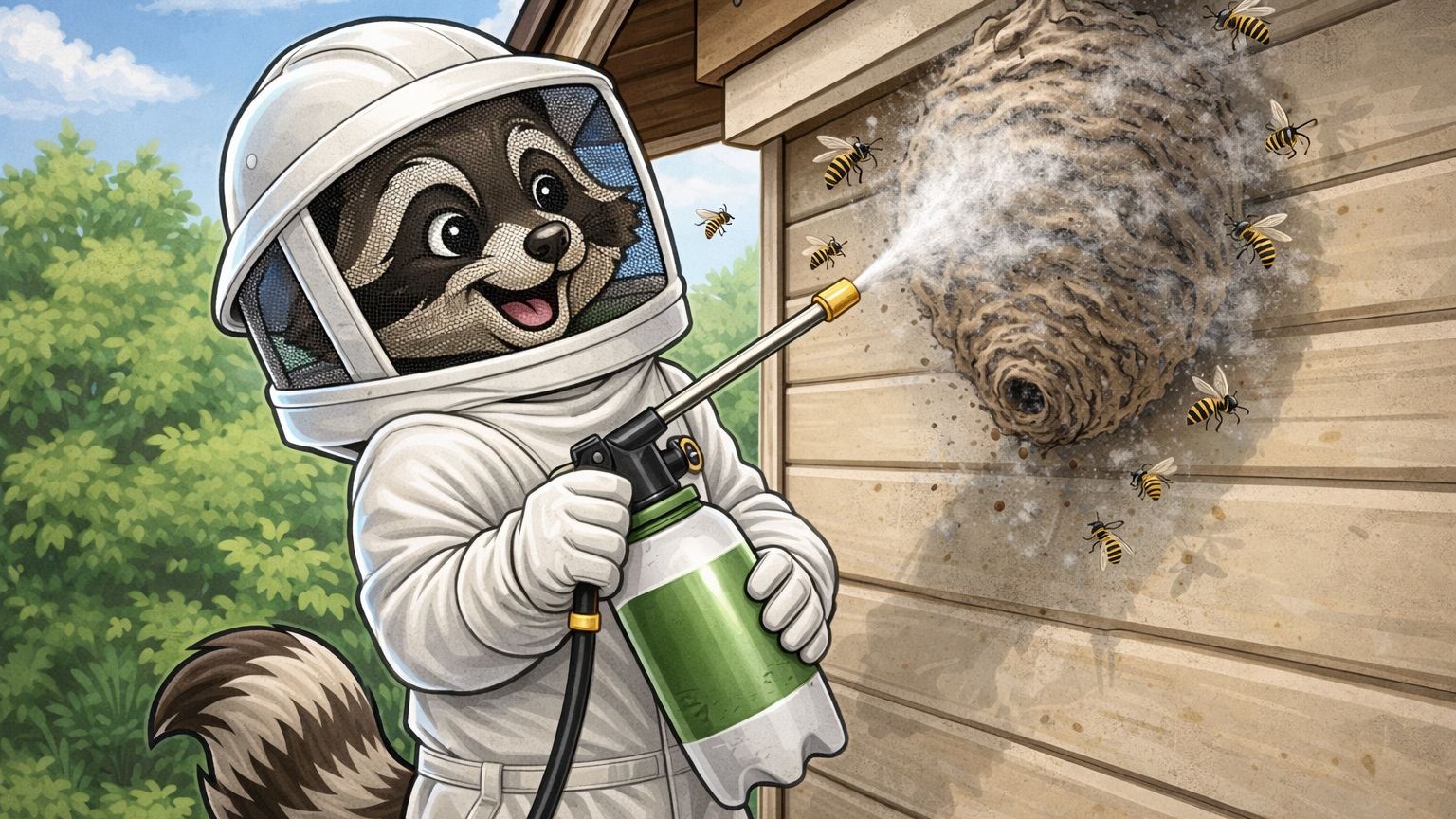
- Hornets: Build large, football-shaped paper nests, usually hanging from trees, eaves, or in attics.
- Health Risk: Wasp stings can be very painful, and for the estimated 5% of the U.S. population allergic to insect venom, a sting can trigger a life-threatening reaction.
Why Professional Bee Control is Essential in Sharon
Dealing with a bee or wasp problem on your own can be dangerous. Without the right knowledge, tools, and safety gear, you risk painful stings, allergic reactions, and potentially ineffective treatment that allows the problem to return. This is especially true for honey bee removals, where proper relocation requires specialized skills.
How Defense Pest And Wildlife Control Protects Your Sharon Home
At Defense Pest And Wildlife Control, we understand the unique challenges homeowners in Sharon face. We prioritize both your safety and the appropriate handling of these insects.
1. Thorough Inspection: Pinpointing the Problem
Our process begins with a detailed inspection of your property. We'll carefully examine common nesting areas like eaves, attics, wall voids, decks, and even ground burrows. This step is crucial for:
- Accurate Identification: Determining the exact species helps us choose the most effective and humane treatment.
- Locating Nests: Finding the primary source of activity ensures complete removal.
- Identifying Entry Points: Understanding how they got in helps us prevent future issues.
2. Safe and Targeted Treatment Methods
Once we identify the pest and its nesting location, we implement a tailored treatment plan.
- Honey Bees: Our goal is always to safely relocate honey bee swarms or hives whenever possible. If relocation isn't an option due to safety concerns or the hive's location, we use specialized methods to remove them responsibly.
- Carpenter Bees: We apply targeted treatments directly into their drilled holes, often combined with dusts or sprays that eliminate existing bees and prevent new ones from emerging.
- Wasps & Hornets: We use professional-grade products designed to quickly neutralize wasp and hornet nests, often treating them at dusk when the insects are less active and most are inside the nest.
3. Expert Nest Removal (When Necessary)
For most wasp and hornet nests, removing the physical nest after treatment is important to prevent secondary issues. For honey bees, complete hive removal is critical. Leaving behind honey or comb in wall voids can attract other pests like ants, rodents, or even cause structural damage from melted wax. Our team ensures thorough removal and cleanup.
4. Long-Term Prevention: Sealing Entry Gaps
Our commitment goes beyond just solving the immediate problem. To prevent future infestations, we focus on long-term prevention. This includes:
- Sealing Entry Points: We can advise on and help seal off potential entry points into your home, such as cracks in foundations, gaps around utility lines, and openings under eaves.
- Custom Exclusion: For more robust pest and wildlife prevention, including bees and wasps that exploit structural weaknesses, we specialize in custom metal exclusion systems. These permanent solutions seal off vulnerable areas, making it nearly impossible for pests to regain entry. This aligns with our philosophy of providing "long-term protection, not repeat problems."
Serving Sharon and Surrounding Connecticut Communities
Defense Pest And Wildlife Control is proud to bring our high standards of pest and wildlife management to homeowners throughout Litchfield County and beyond. If you’re in Sharon, CT, or neighboring towns like Torrington, New Milford, Litchfield, Woodbury, Thomaston, New Hartford, Salisbury, Kent, Washington, Goshen, Morris, or anywhere else in our service area, we're here to help. We are your local experts dedicated to defending your home.
Ready to Reclaim Your Outdoor Space?
Don't let stinging insects put a damper on your enjoyment of your Sharon home. Whether you're dealing with carpenter bee damage, a buzzing wasp nest, or a honey bee swarm, our team at Defense Pest And Wildlife Control is ready to provide a safe, effective, and lasting solution.
We pride ourselves on honesty, craftsmanship, and relentless attention to detail. Let us help you keep your home pest-free and protected.
Contact Defense Pest And Wildlife Control LLC today at +1 (860) 709-1898 for a consultation! We don’t just solve problems—we defend your home.
Get Your Free Pest & Wildlife Control Quote Today!
Dealing with pests or unwanted wildlife in your New Hartford, CT home? Defense Pest And Wildlife Control LLC is here to help! Fill out our simple form below, and one of our local experts will call you back promptly with a free, no-obligation quote tailored to your specific needs. Protect your home and peace of mind – let us handle the critters!
More Blogs
Some other blogs you might be interested in